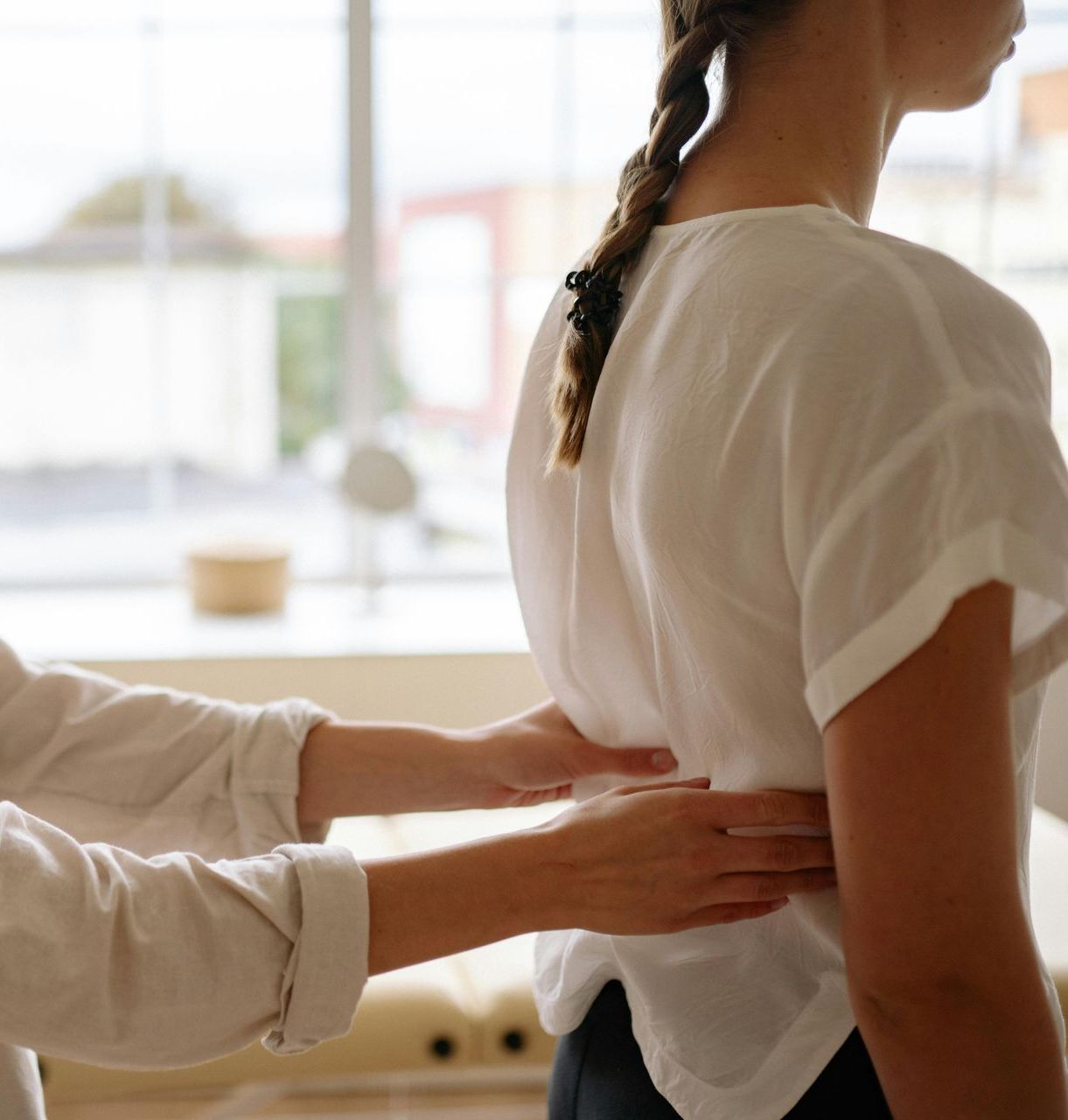

Osteoarthritis and Osteoporosis does NOT = a Life sentence!

December 18, 2024

New year, new you! The new year is a chance to rest, reset and create some resolutions (if that’s your thing). Whilst we’re big advocates for creating rehab goals all year round at Life Performance Sports Medicine, this might be the opportunity for you to create your own rehab goals.


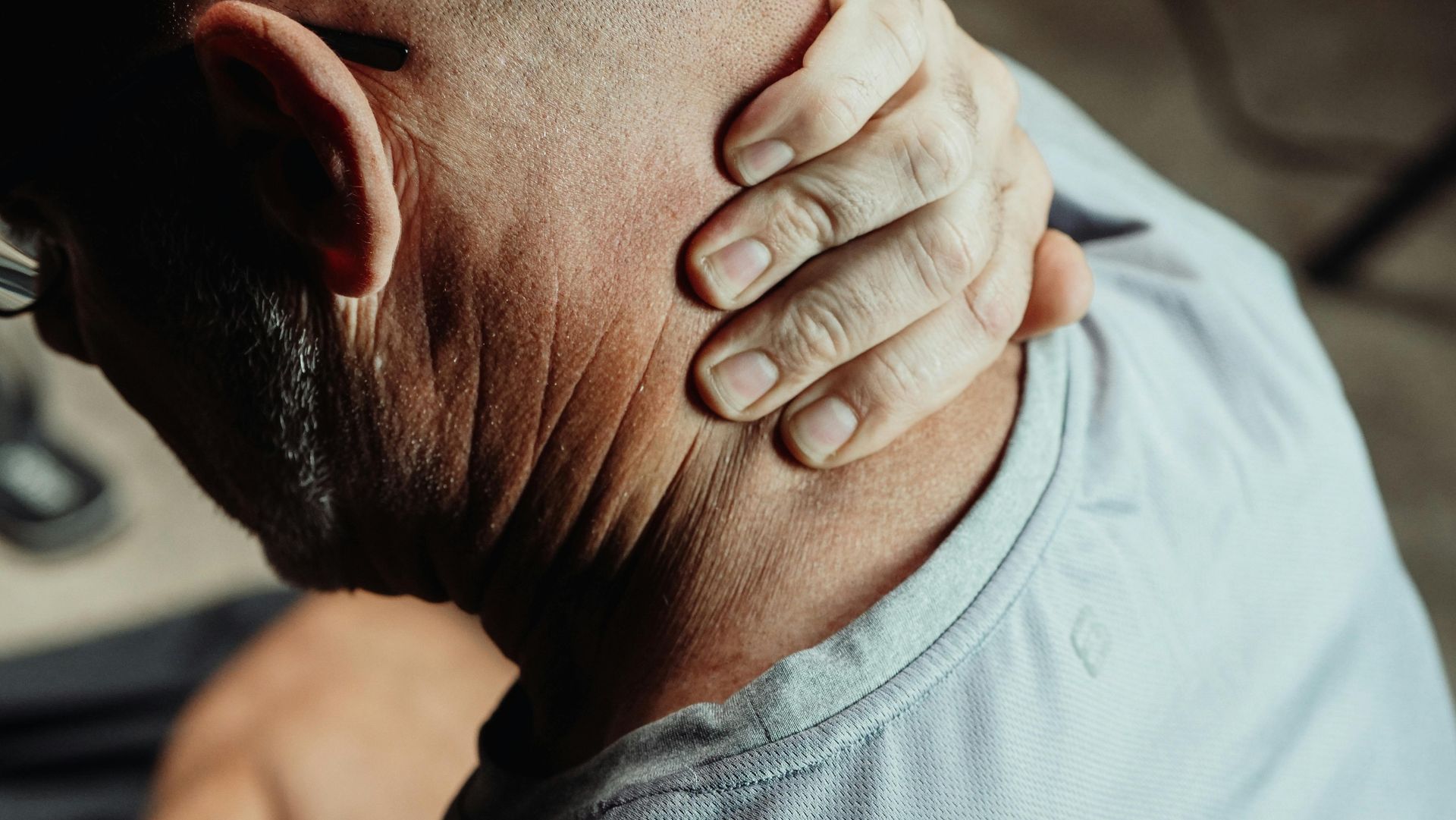
Have you been putting up with a niggle, pain, or problem for weeks, months, or even years? Is it something you are just attributing to old age, ‘wear and tear’ or a previous injury? It can be exhausting and frustrating putting up with pain, and it is easy to lose hope that it may not improve.


We see many people who put up with pain for far too long before they do something about it. If this is you, keep reading!


Conditions such as osteoarthritis are commonly seen as issues that will simply run their course, and there isn’t much you can do to stop them aside from wait for a joint replacement. This simply isn’t true.


Whilst it may be extremely frustrating to put up with a sore shoulder or knee for years, or not be able to do the things you love, there is always something we can do to get your pain and level of function heading in the right direction.


  • Whether it be seeing our dietician, Meagan, to help you eat and feel better
  • Seeing one of our physiotherapists to come up with a targeted exercise program for you
  • Having one of our podiatrists review the role that your footwear is playing in your condition.


Whichever option it is, there are many avenues you can explore to improve your pain, all under the one roof.


When it comes to exercise, we have a number of dedicated programs to meet your needs and improve your pain.

  • We offer the GLA:D program, a proven exercise program aimed at knee and hip osteoarthritis. It has been rolled out across the globe and has been shown to reduce pain by an average of 36%!
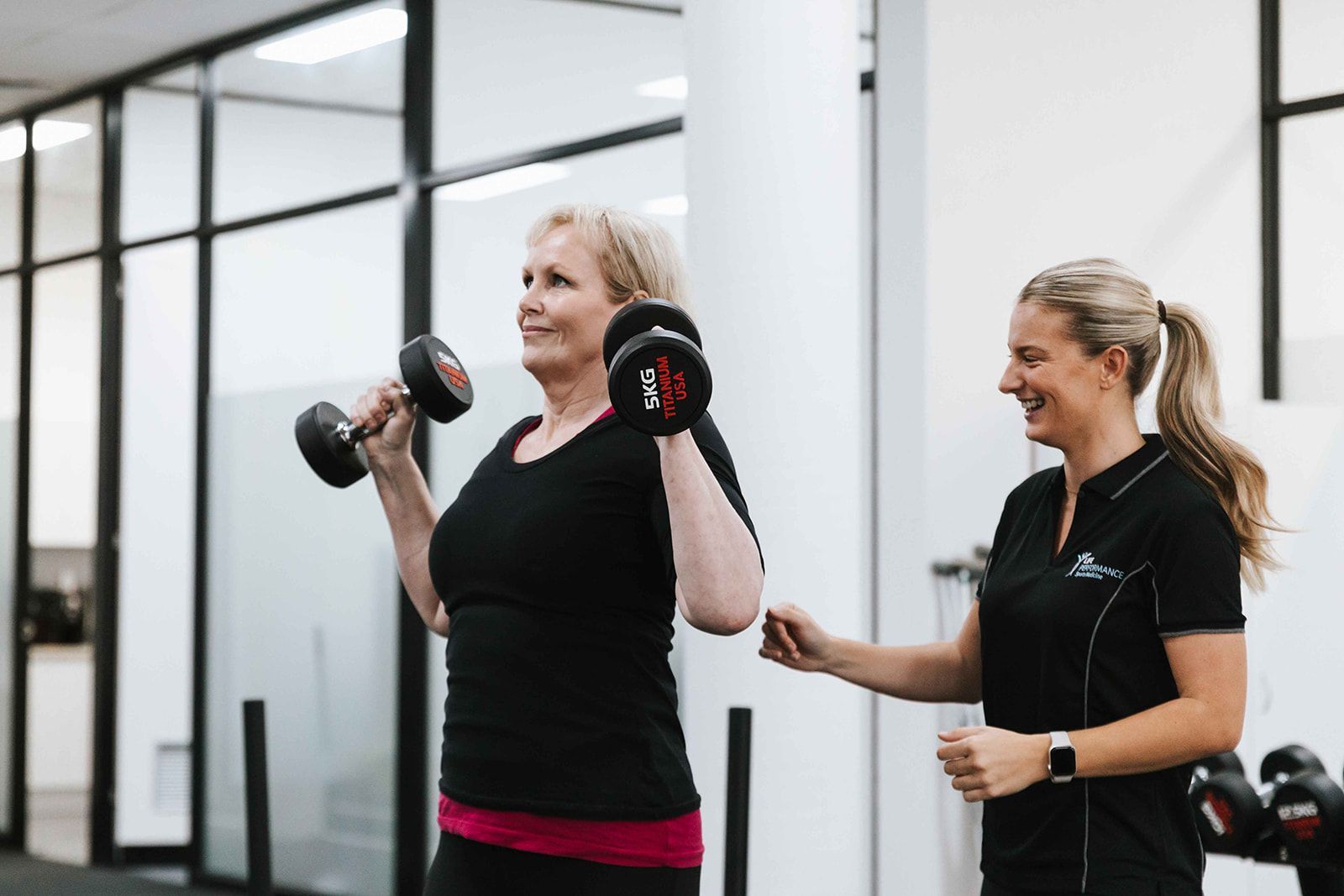
  • We also offer our very own Bones and Brawn program, which is aimed at individuals with Osteoporosis or Osteopenia. It focuses on improving the strength of your bones, boosting your mobility and assisting you with functional, day to day activities.


So, use this festive season to relax, spend time with family and enjoy the sun, but I’d also encourage you to reflect on how your body is feeling, and more importantly, if it is holding you back from achieving your goals. Let 2025 be the year you get your body feeling like it used to!

By Shane O'Sullivan August 3, 2025
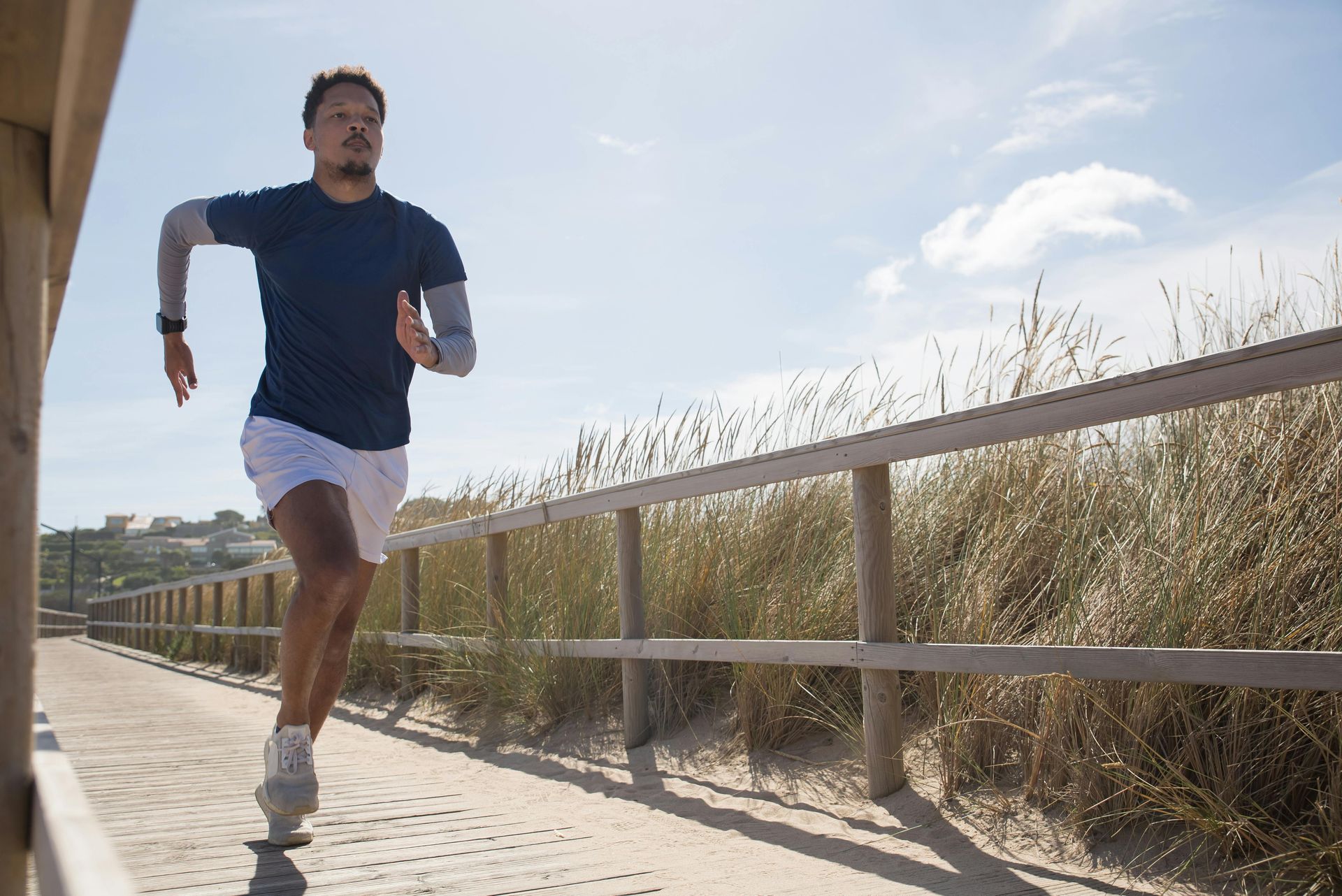
Expert Running Injury Treatment in West Melbourne & Ascot Vale
By Shane O'Sullivan June 26, 2025
Do you wake up feeling like you’ve aged 20 years overnight?
By Shane O'Sullivan May 21, 2025
Support your bone, muscle and joint health at Errol St Physio, North Melbourne
By Shane O'Sullivan April 16, 2025
Because slow and steady doesn’t cut it in the fourth quarter. In sports like football, rugby, and hockey, sprint speed wins moments — and moments win games . But speed isn’t built just by playing games. To stay fast and explosive all season, athletes need a structured approach: sprint training, repeat sprint ability (RSA) work, strength and power development, and smart recovery strategies. Here’s your no-fluff guide to building elite sprint performance during the season — and having some fun while doing it.
By Shane O'Sullivan August 21, 2024
The Melbourne Marathon is just around the corner. For our running die-hards out there, Christmas has indeed come early. Whether this is your 15th consecutive marathon, or you’ve made a last minute decision with your friend to join in the fun, your preparation in the lead up is equally as important. Marathons can be a truly taxing experience on the body . Cramps, blisters and general soreness are almost a given, however, more serious injuries like a stress fracture or Achilles tendinitis / tendinopathy can be significantly reduced with a well- designed training program. As physios, our role is often dealing with the aftermath of these injuries to help you get back out onto the track. However, as the old age goes, prevention is better than cure! That is the main purpose of this article, so continue reading to learn how you can avoid coming to see us in the first place! Acute: Chronic Workload Ratio You may have heard of the Acute: Chronic Workload Ratio (ACWR) . It sounds complicated, but it is relatively simple. Think of it as how much running you are doing in the short term (normally the past week), compared to how much running you have done in the long term (normally the past month). For example, if you normally run 10km a week, and suddenly you run 20km a week, your ACWR will be quite high. If you normally run 10km, and then next week you run 12km, your ACWR will be much lower. So why is this important? Monitoring our ACWR and keeping it at a consistent level is really important to reduce the risk of injury . Our bodies don’t tend to react well to spikes in training, and many injuries we see as physios result from an error in the athlete’s ACWR . To keep on top of this, use technology like Strava or a fitness watch to keep an eye on any big spikes in your training load. Planning out your running in advance (e.g. creating a running schedule) can also structure your training program so that the lead up to the big day is as smooth as possible. The importance of strength and link to performance Strength training and runners used to be treated as polar opposites. Strength training makes you really big, strong and heavy, whereas runners need to be quick, nimble and light on their feet – why on earth would they lift weights in a gym? We have fortunately moved on from this old dogma and come to realise that the message is really clear: Lifting weights significantly reduces your injury risk, whilst also boosting your performance. It’s a double whammy of the highest order! If you are someone who is repeatedly injured, or you feel that your running program is top notch, but your times have plateaued, strength training may be the answer for you. If you are new to strength training and don’t have access to much equipment, perhaps start with 2 sessions a week focussing on key movements like calf raises, lunges and squats. If you really want to maximise the benefits of strength training, aim for 2-3x per week of legs and abdominal work. I’d also do a combination of lifting really heavy (eg 3 sets of 4-6 reps) and endurance training (eg 3 sets of 12-15 reps, using a lower weight) across the week. So, there you have it. If you would like some guidance with preparation for your marathon, or don’t quite know what to focus on in your gym program, our team is here to help. Happy running!
By Shane O'Sullivan May 17, 2024
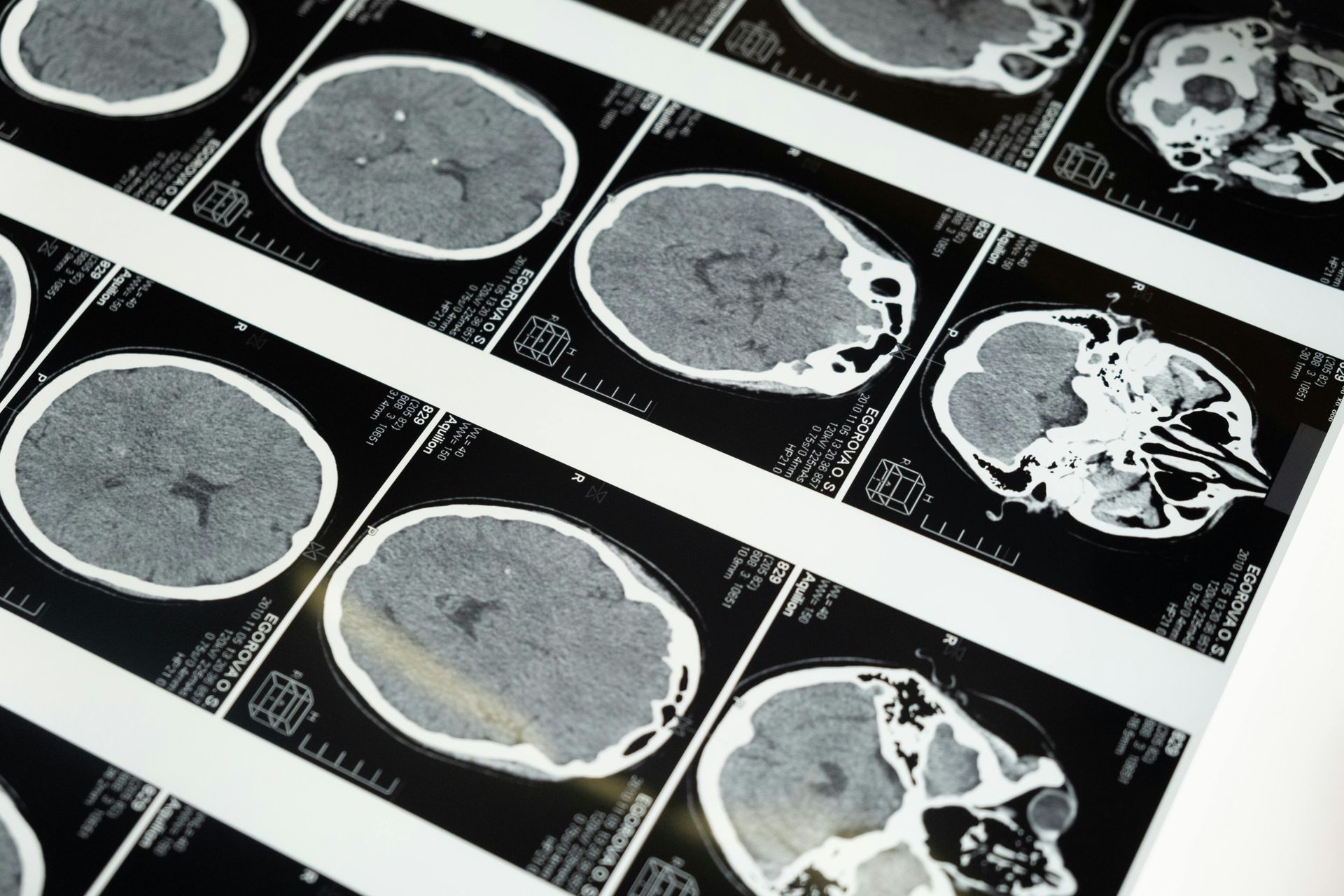
The thrill of competitive sport. A physical outlet for most to expel their built up energy. Engaging in contact sports like football, soccer, or hockey can be exhilarating, but it also comes with risks , especially regarding head injuries like concussions . Knowing the signs & symptoms of a concussion is crucial for players, coaches, and parents alike. Signs to Watch Out For: Headache: Persistent or worsening headache post-impact. Nausea or Vomiting: Feeling sick to the stomach or vomiting. Confusion: Disorientation, difficulty focusing, or feeling mentally foggy. Dizziness or Balance Problems: Trouble standing or walking steadily.  Sensitivity to Light or Noise: Irritation or discomfort in response to light or sound. Memory Problems: Difficulty remembering events before or after the hit. Changes in Behaviour: Unusual irritability, mood swings, or personality changes.
By john March 18, 2024
Picture this : you're walking in the sunshine, whistling dixie and having the best day. All of a sudden you step wrong, and your ankle twists. Ouch! You've got yourself a ‘ simple ’ ankle sprain, right? Well, not so fast. What might seem like a minor injury can sometimes turn into a bigger problem than you'd expect. Here's the lowdown: An ankle sprain happens when the bands of tissue (ligaments) that hold your ankle bones together get stretched or torn. You might think r est , ice , and a bit of elevation will sort it out – and sometimes they do. But other times, there's more going on under the surface. Amazingly, Once you have injured your ankle for the first time, you have a whopping 47% chance of re-injuring that same ankle in the future! Not to mention 40% of first time ankle sprainers, go on to develop Chronic Ankle Instability (CAI)!
By Shane O'Sullivan February 26, 2024
Do you get pain at the front of your knee? Walking downstairs? Sometimes you feel like you have to go down sideways ! When you’re hiking…… Especially when you have to go downhill? Playing sport…. Especially when you have to do a lot of short stop and start type movements?
By Shane O'Sullivan January 30, 2024
So, you have done your ACL. You felt the pop, your knee collapsed and the pain was excruciating for the first 30 seconds. You hobble off the field, and thoughts start rushing through your mind… Oh no I'm going to need surgery! How much will it cost me? How long will I be ou t for?
By Jacob Jewson October 24, 2023
Adhesive capsulitis , or frozen shoulder , is a condition that affects the capsule/lining of the shoulder joint. It occurs most commonly in people aged 40-60 and while it can result from an injury or surgery to the shoulder, in the majority of cases there is no obvious cause. The condition involves inflammation and scarring of the shoulder joint capsule. The inflammation causes pain, particularly at night, while the scarring results in reduced range of motion in the shoulder joint as the capsule tightens. Then if the shoulder is pushed into extreme positions, the scar tissue becomes irritated, causing more discomfort. While there is often no cause, adhesive capsulitis occurs more commonly in people with diabetes and other systemic inflammatory diseases, so it may be worth performing some blood tests if these haven’t been done previously. Imaging with an X-ray and ultrasound (or sometimes an MRI) is not always essential as adhesive capsulitis can be diagnosed based on symptoms and clinical tests, but may be performed to ensure there is not another diagnosis to explain the symptoms. Adhesive capsulitis has a natural history of resolution after typically 12-24 months. It is characterised by 3 phases: freezing, frozen and thawing phase. The freezing phase is often the most painful, as the inflammation causes progressive pain and loss of range of motion. The duration of symptoms is often unchanged by treatments, however the goal of management strategies is to reduce pain and improve function during the course of the condition.
More Posts